Foam mattresses comprise layers of viscoelastic, polyurethane, or memory foam designed to contour to the body's curves, relieve pressure points, and promote spinal alignment. This category highlights, in particular, varying foam densities and cell structures that influence support, bounce, and heat management, helping users choose a model that matches sleep preferences and firmness needs.
Memory foam and high-resilience foam are common in foam mattresses, offering motion isolation and durable comfort. The composition affects the resting surface's feel, ranging from soft to medium-firm, with some foams incorporating open-cell or gel-infused formulations to aid cooling while maintaining support for different sleeping positions.
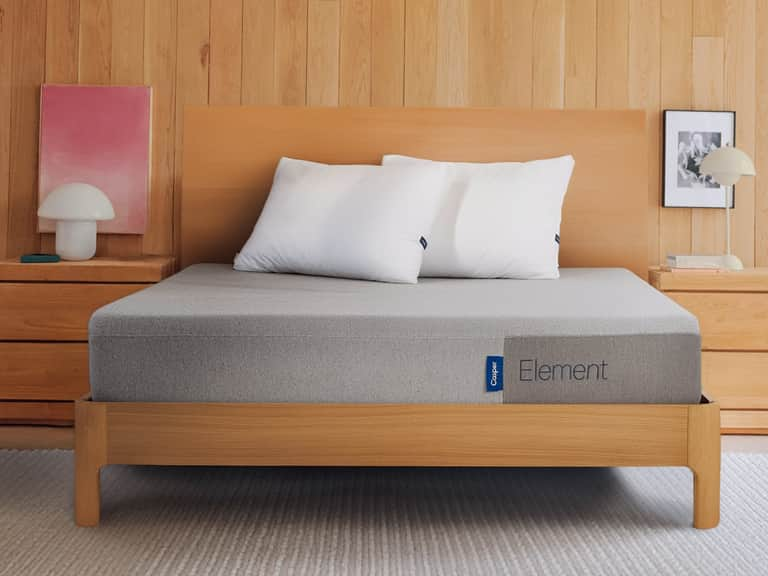
The Element Mattress exemplifies how foam construction can balance contouring comfort with stability. Features such as a layered foam system, targeted support zones, and breathable covers contribute to pressure relief for shoulders and hips, while maintaining correct spinal alignment for back and side sleepers alike.
Key considerations when evaluating foam mattresses include firmness level, density, and the presence of transition or support foams that prevent sinking. Sleepers should assess temperature regulation properties, ease of maintenance, and durability over time, as these factors influence long-term comfort and overall sleep quality.
Within the foam category, product relevance spans bedding essentials like elastic foam cores, orthopaedic support variants, and options that complement organic or latex-based sleep systems. Understanding layer arrangement, cover materials, and warranty terms supports informed decisions aligned with personal sleep goals and room environments.
 Mattresses